
SIP vs. SWP vs. STP: Understanding Your Mutual Fund Strategies
Mutual funds offer a variety of systematic plans designed to help investors achieve different financial goals. While many are familiar with the Systematic Investment Plan (SIP), two other powerful tools are the Systematic Withdrawal Plan (SWP) and the Systematic Transfer Plan (STP). Understanding the distinct purpose and application of each can significantly enhance your financial planning.
What is a Systematic Investment Plan (SIP)?
SIP Full Form: Systematic Investment Plan
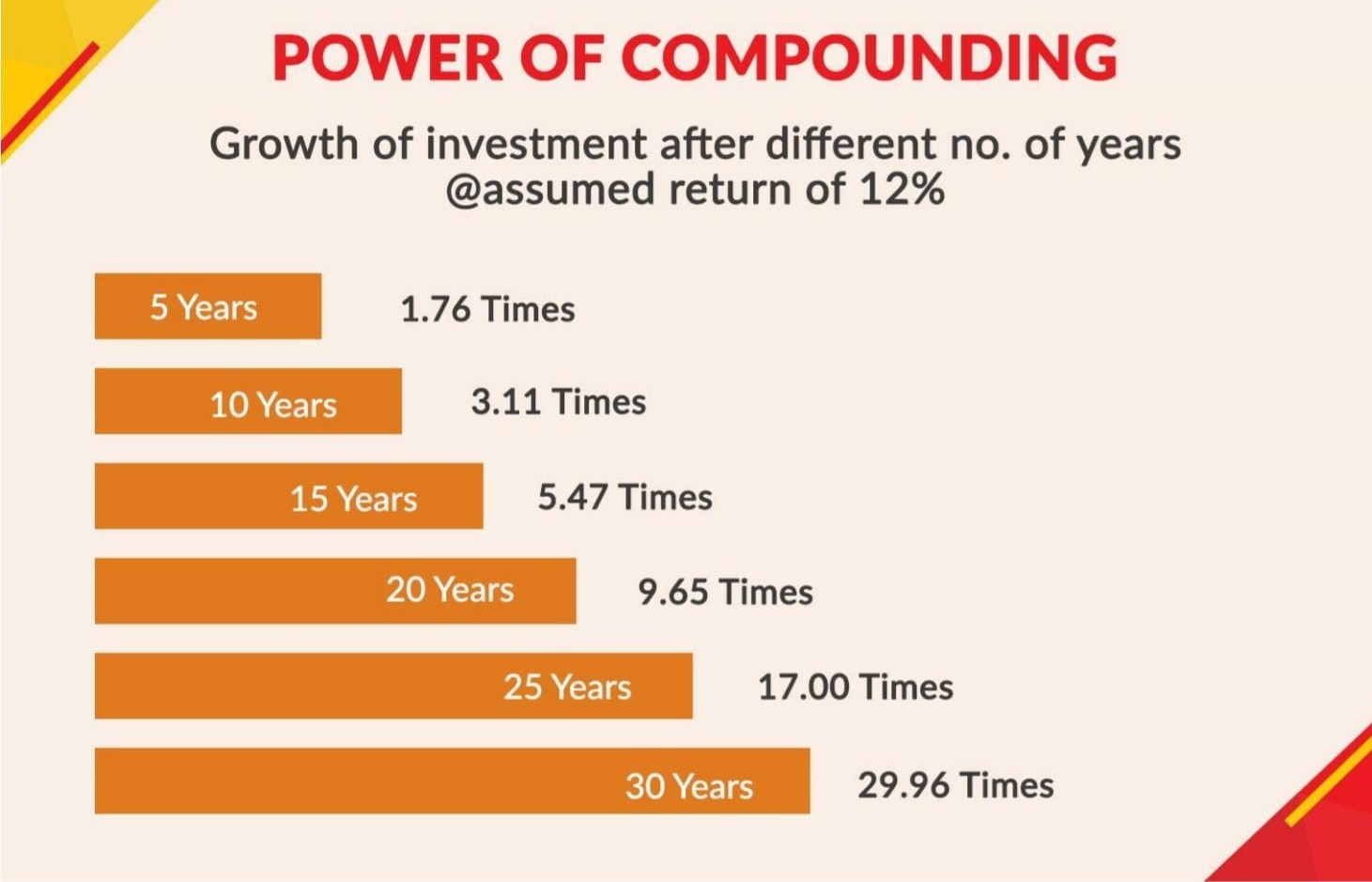
A SIP is a method of investing a fixed amount of money at regular intervals (e.g., weekly, monthly, quarterly) into a chosen mutual fund scheme. Instead of making a large lump-sum investment, SIPs allow you to invest smaller amounts consistently over time.
How it works: You set up an automatic debit from your bank account, and a predetermined amount is invested in the mutual fund on a fixed date. When the market is down, your fixed investment buys more units (Net Asset Value or NAV is lower), and when the market is up, it buys fewer units (NAV is higher).
When to use SIP:
-
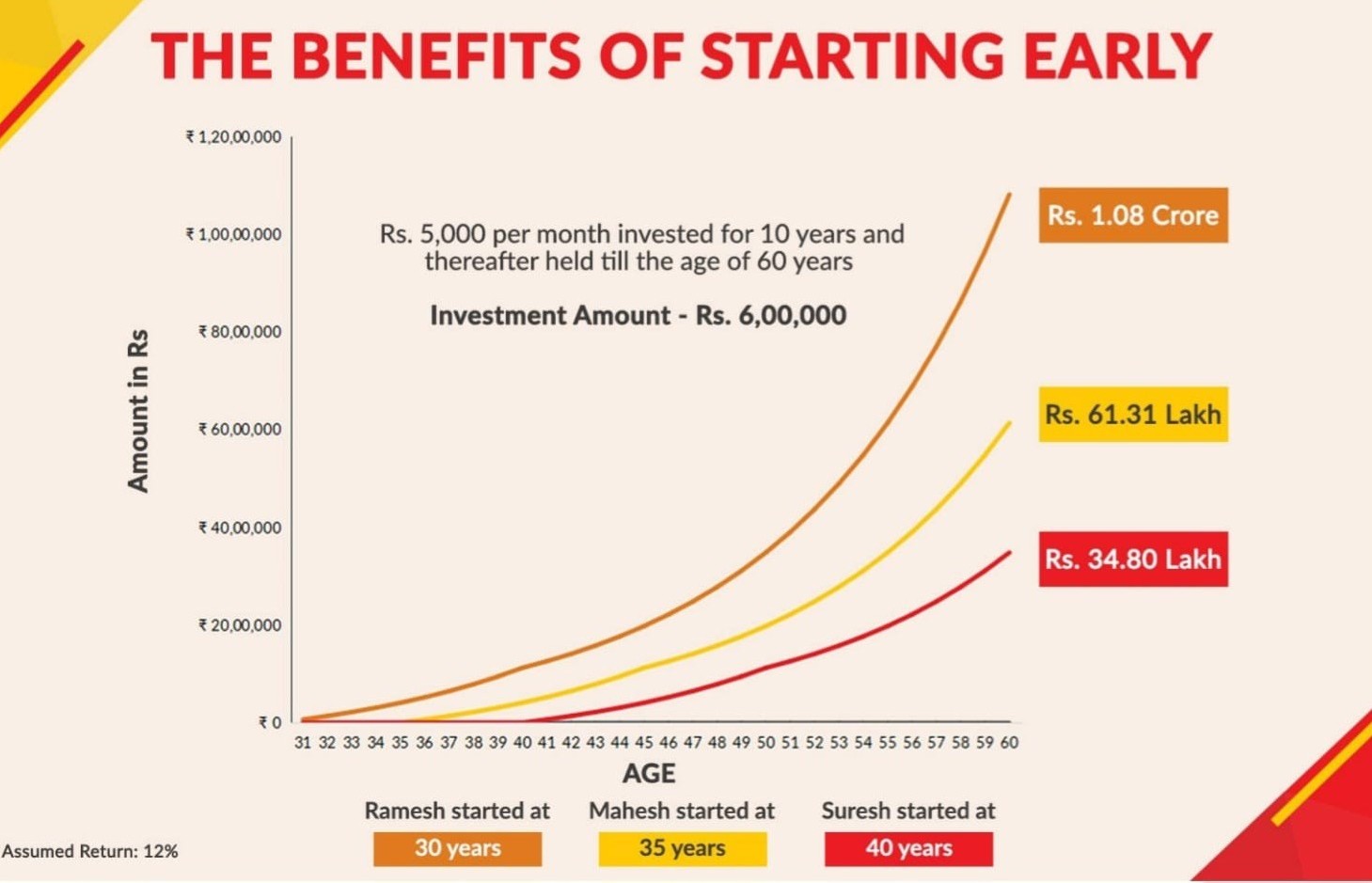
Wealth Accumulation: Ideal for long-term wealth creation goals like retirement planning, child's education, or buying a house.
-
Disciplined Investing: Instills a habit of regular saving and investing.
-
Rupee Cost Averaging: Mitigates market volatility by averaging out the purchase cost of units over time. You don't need to time the market.
-
Small Investments: You can start with amounts as low as ₹500 per month, making it accessible for almost everyone.
-
Salaried Individuals: Perfect for those with a regular income stream.
What is a Systematic Withdrawal Plan (SWP)?
SWP Full Form: Systematic Withdrawal Plan
An SWP is essentially the reverse of a SIP. It allows you to withdraw a fixed amount of money at regular intervals (e.g., monthly, quarterly, annually) from your existing mutual fund investment.
How it works: You instruct the fund house to redeem a certain number of units equivalent to your desired withdrawal amount on a specified date. The money is then credited to your bank account. The remaining units continue to stay invested and participate in market movements.
When to use SWP:
-
Regular Income Stream: Ideal for retirees or individuals who need a steady cash flow from their investments to meet living expenses.
-
Capital Preservation: Allows you to draw income while the remaining corpus potentially continues to grow.
-
Tax Efficiency: Withdrawals are treated as redemptions, and only the capital gains portion is taxed, which can be more tax-efficient than traditional interest income (like from FDs) or dividends.
-
Supplementing Income: Useful for freelancers, business owners, or anyone with irregular income looking to create a stable cash flow.
What is a Systematic Transfer Plan (STP)?
STP Full Form: Systematic Transfer Plan
An STP is a facility that allows you to systematically transfer a fixed amount of money from one mutual fund scheme to another within the same fund house at regular intervals.
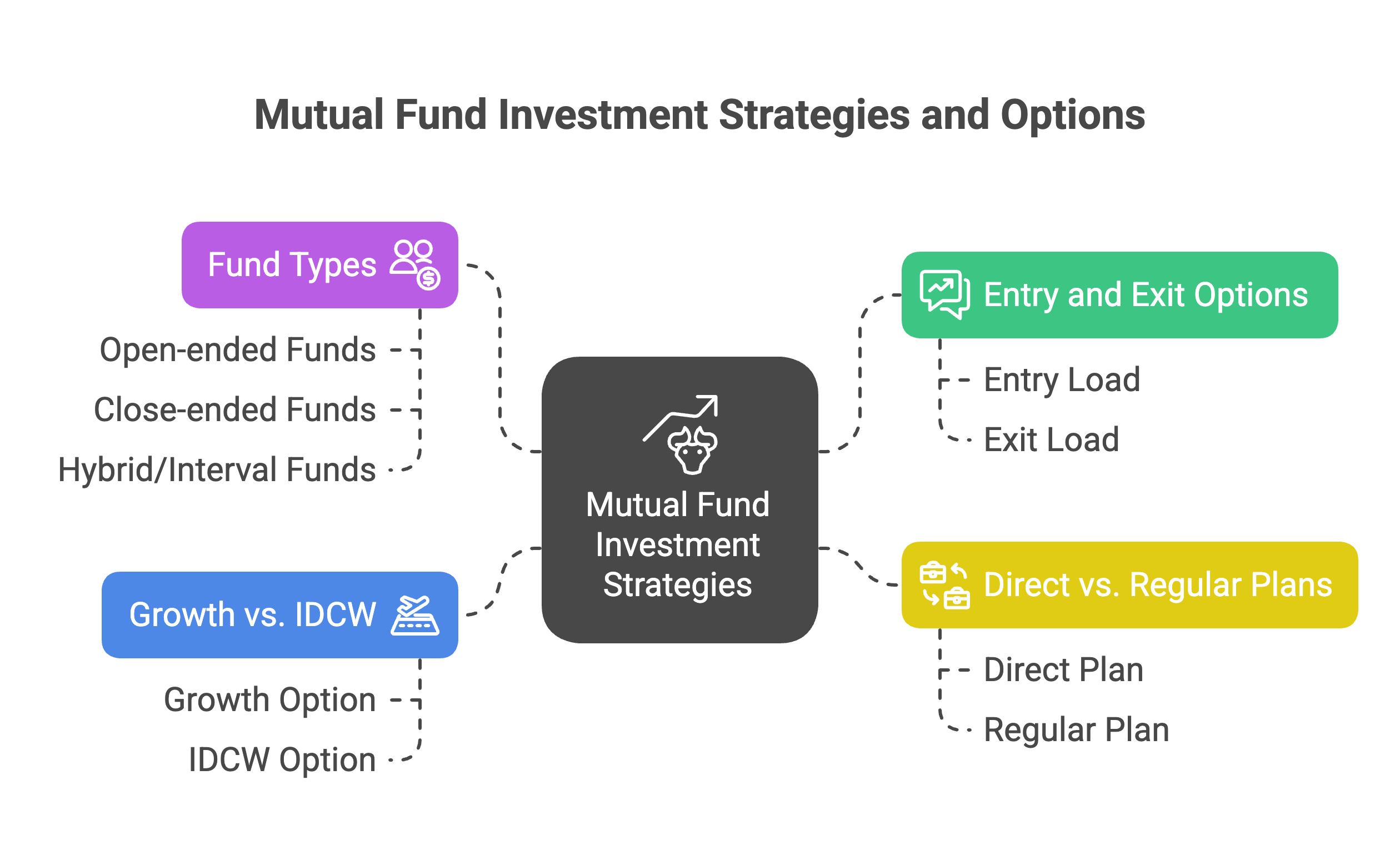
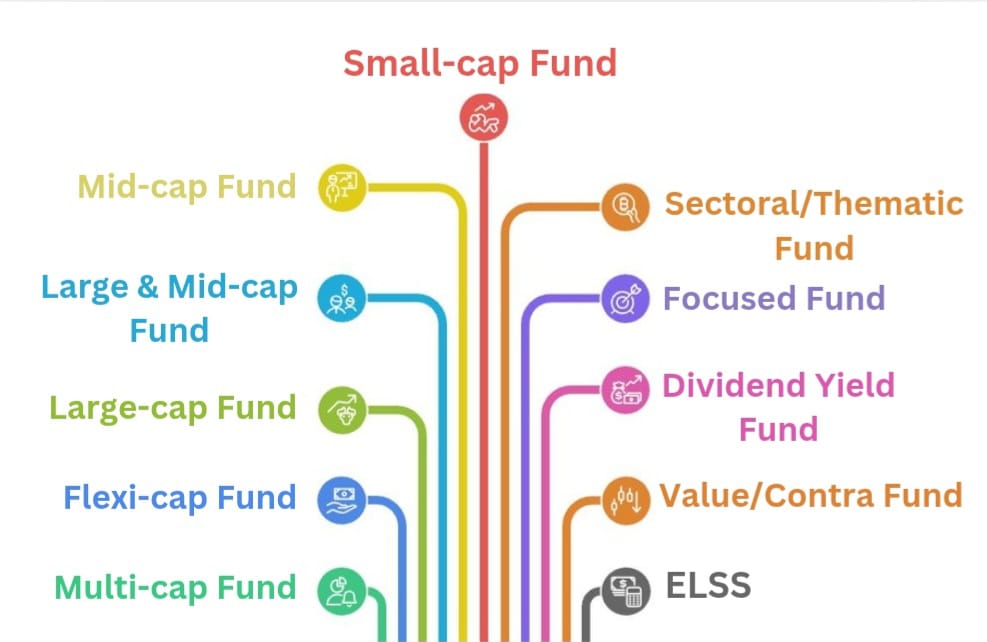
How it works: You typically invest a lump sum in a relatively safer "source fund" (e.g., a liquid fund or debt fund) and then set up an STP to gradually transfer fixed amounts from this source fund to a "target fund" (e.g., an equity fund) over a period.
When to use STP:
-
Lump Sum Investment in Volatile Markets: If you have a large sum of money but are wary of investing it all at once in a volatile market (like equities), you can park it in a debt/liquid fund and gradually move it to an equity fund via STP. This helps in rupee cost averaging your entry into the target fund.
-
Risk Management/Asset Allocation: Useful for rebalancing your portfolio. For example, moving profits from an equity fund to a debt fund when markets are high, or vice-versa.
-
Optimizing Returns: Allows your lump sum to earn some returns in a safer fund while it's being gradually deployed into a potentially higher-growth fund.
-
Maturity Proceeds: If you receive a large sum from a maturing Fixed Deposit or other investment, you can use STP to gradually invest it into equity funds.
Key Differences at a Glance:
|
Feature |
SIP (Systematic Investment Plan) |
SWP (Systematic Withdrawal Plan) |
STP (Systematic Transfer Plan) |
|---|---|---|---|
|
Purpose |
Invest regularly for wealth creation |
Withdraw regularly for income generation |
Transfer funds between schemes for risk management/asset allocation |
|
Flow of Funds |
Money from bank account to mutual fund |
Money from mutual fund to bank account |
Money from one mutual fund to another (same AMC) |
|
Ideal For |
Long-term goals, disciplined investing, new investors |
Retirees, those needing regular income |
Lump sum deployment in volatile markets, portfolio rebalancing |
|
Risk Mitigation |
Rupee Cost Averaging |
Provides predictable income, manages cash flow |
Rupee Cost Averaging (for staggered entry), asset allocation |
|
Investment Phase |
Accumulation |
Distribution/Income |
Transition/Rebalancing |
Conclusion
SIP, SWP, and STP are powerful, yet distinct, tools in mutual fund investing. SIP helps you build wealth systematically, SWP helps you draw income from your accumulated corpus, and STP helps you manage risk and optimize your asset allocation. By understanding your financial goals and current situation, you can strategically use one or a combination of these plans to work towards a secure financial future.
.png)
.png)
.png)
.png)
.png)